

Engineering & Construction
Civil Engineering & Construction
Civil engineering and construction apply scientific and technical principles to the planning, design and delivery of built infrastructure.
An enquiry begins a discussion about potential partner-delivered pathways. It is not direct enrolment with AECPS or a guarantee of availability.
Professional context
Programme presentation
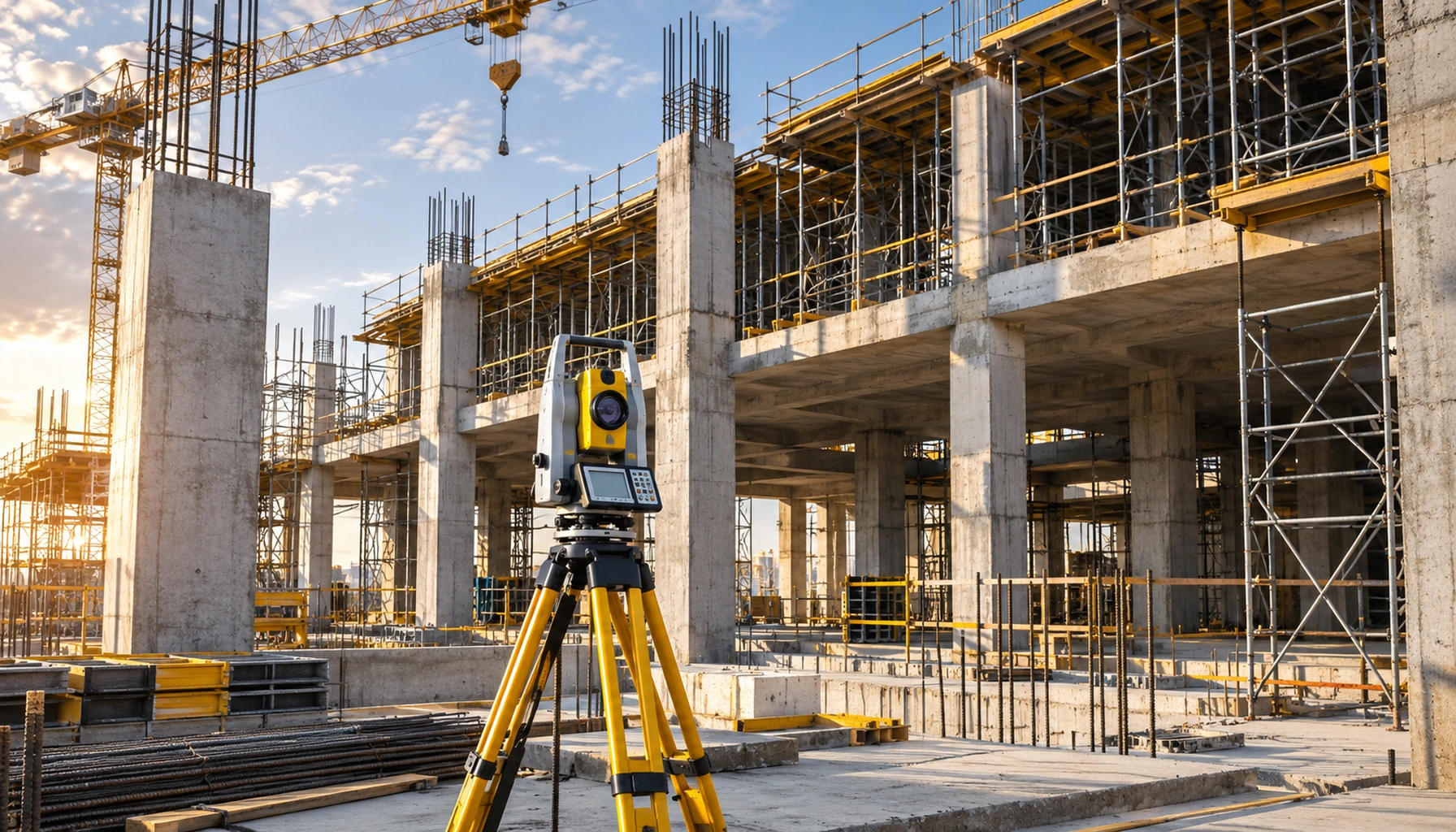
Civil engineering and construction apply scientific and technical principles to the planning, design and delivery of built infrastructure. Professionals coordinate structural, geotechnical, material and site considerations while managing costs, constructability, safety and environmental responsibilities. Engineering judgements depend on sound calculations, reliable site information, applicable codes and collaboration across designers, contractors and project stakeholders.
Professional capabilities
Programme objectives
- Assess construction site conditions and define project requirements, constraints and stakeholder responsibilities.
- Apply engineering mechanics and material properties to preliminary structural decisions.
- Interpret geotechnical and surveying information for appropriate foundation and site-planning options.
- Evaluate construction methods, building systems and constructability considerations.
- Prepare indicative quantities, schedules and cost estimates using documented assumptions.
- Assess site safety, sustainability and quality risks within the applicable regulatory context.
- Use digital modelling and coordination procedures to detect design and delivery conflicts.
- Develop and defend a preliminary civil construction plan integrating engineering concepts, project controls, safety and feasibility.
Indicative learning areas
Programme modules
Programme modules connect core principles with established professional practice in an international context, culminating in a Professional Applied Project.
Engineering Mathematics, Mechanics & Materials
Study forces, structural behaviour, material properties and quantitative reasoning relevant to civil works.
Surveying, Geotechnics & Site Investigation
Examine site measurement, soils, ground conditions, foundation considerations and interpretation of investigation data.
Structural Analysis & Building Systems
Study load paths, structural elements, reinforced-concrete concepts and building-system coordination.
Construction Methods & Site Operations
Explore construction sequencing, materials handling, temporary works, site planning and practical constructability.
Project Planning, Quantities & Cost Control
Examine quantity take-offs, schedules, project cost estimates, procurement and construction performance control.
Building Information Modelling & Technical Coordination
Study digital drawings, BIM principles, multidisciplinary clash awareness, information exchange and design coordination.
Construction Quality, Safety & Sustainability
Assess code awareness, quality assurance, occupational hazards, environmental impacts and project risk governance.
- Capstone project
Professional Applied Project
Prepare a preliminary civil works proposal integrating structural concepts, site information, BIM coordination, costing and construction risk.
Have relevant experience? This programme is included in the AECPS Recognition of Prior Learning pathway. Eligible professionals can request an assessment of documented experience, relevant qualifications and work-based evidence.
Recognition of Prior Learning
Partner-delivered learning
Programme structures may be implemented through approved partner-delivered pathways and assessed within the AECPS framework, ensuring academic integrity and consistent quality.